.png)
Why Some Modern Furniture Is Designed to Look Antique
- Dao's Den

- May 21
- 6 min read
Updated: 5 days ago


I see it often the moment someone walks into the showroom in Dubai. A client pauses in front of a Chinese-style cabinet, runs their hand lightly over the surface, and then asks the same question almost instinctively:
“Has this been restored?”
But what they usually mean is something more specific —
“Has this been made to look old?”
And that is where the conversation really begins.
In today’s interiors, especially in Chinese-inspired furniture, porcelain, and decorative pieces, perfection is no longer always the goal. In fact, in many cases, the opposite is intentional.
At Dao’s Den in Dubai, I spend a lot of time helping clients understand that what appears to be age is often actually a design choice — not history, but intention.

The First Misunderstanding: “Old” Is Often Designed
Most clients expecting antique-style furniture imagine something with real history — naturally aged, lived with, shaped over decades.
But many of the pieces people are drawn to today are not antiques at all. They are modern interpretations designed to look aged.
When I look at a Chinese-style altar table or a hand-painted porcelain piece in this context, I am not only seeing craftsmanship — I am also reading design decisions: texture, distressing, patina simulation, and surface treatment meant to evoke time.
In modern Chinese-inspired furniture in Dubai, “age” is often created rather than discovered.
A perfectly even surface feels modern. A softened edge, faded tone, or uneven finish is often carefully applied to suggest history.



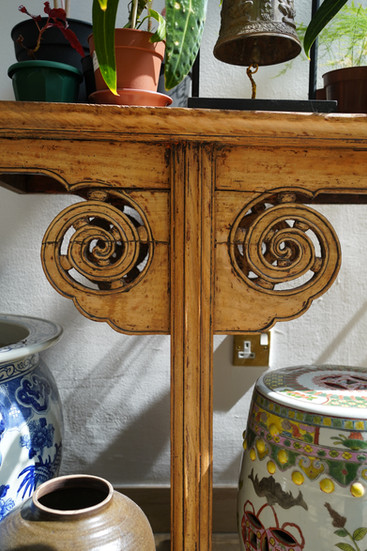


Close-up of antique Chinese wood craftsmanship highlighting aged texture, traditional carving, and natural patina.
The Value of Artificial Patina
One of the most misunderstood elements in contemporary decorative furniture is faux patina.
It is not damage. It is not neglect. It is a controlled design language — used to give new materials the emotional weight of time.
I often explain it very simply in the showroom:
If a brand-new piece looks like it has lived for decades, that history has been designed into it.
In modern Dubai interiors, this effect plays a powerful role. It softens new spaces. It removes the clinical “freshness” of contemporary design and introduces warmth and depth.
A console with uneven tone or a cabinet with deliberately faded edges can often sit more comfortably in a modern apartment than a high-gloss, perfect finish.
Because contrast is what makes it believable.

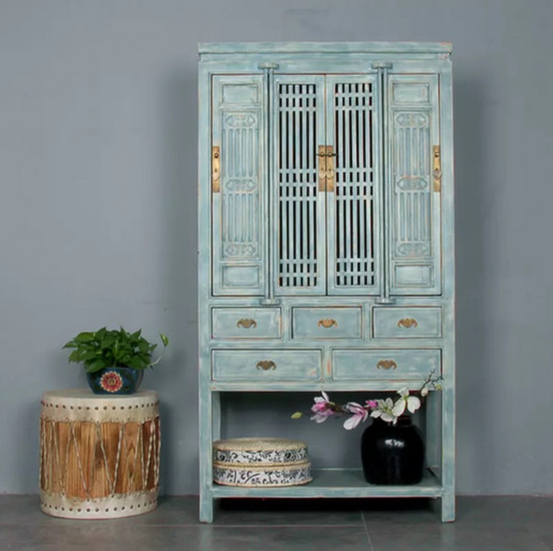


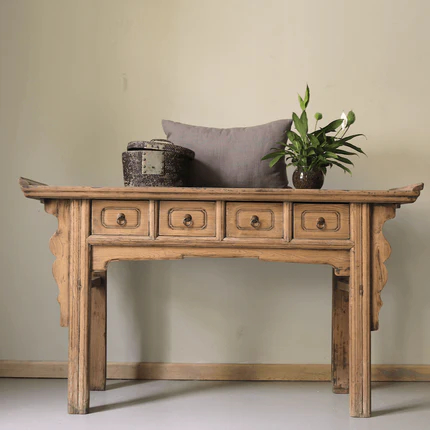


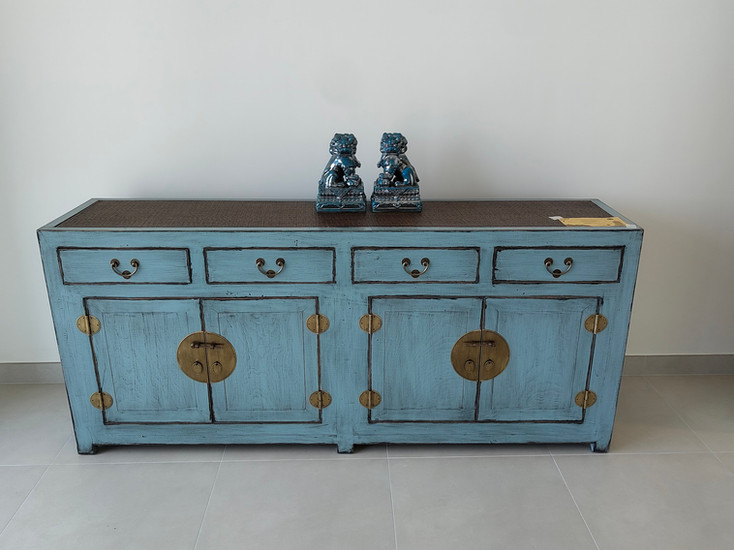
Vintage Chinese cabinets styled in modern interiors demonstrating how antique furniture complements contemporary Dubai homes.
Design vs Authentic Aging
This is where things become important.
Clients often assume all “aged-looking” furniture carries history. But there is a clear difference between natural aging and designed aging.
Natural aging is unpredictable — shaped by time, use, and environment.
Designed aging is intentional — created through brushing, staining, distressing, and surface manipulation.
Technically, both may look similar.
But the feeling is different.
In custom furniture projects in Dubai, many clients request this “antique look.” The challenge is not creating imperfection — it is creating it convincingly without making it feel artificial.
At Dao’s Den, we see this as design language, not deception. But it requires restraint. Too much distressing, and the piece starts to feel staged.
Good aged design should feel effortless. If you notice the effect immediately, it has usually gone too far.


Why Imperfect Design Feels More Human
One of the most interesting things I notice in clients is how their perception changes over time.
At first, they may notice uneven tones or surface variation. Later, those are exactly the details they respond to most.
Slight irregularities in brushwork, texture, or finish are what make a piece feel grounded in reality — even if it was created yesterday.
The same applies across furniture and porcelain-inspired décor.
A perfectly uniform surface feels manufactured. A slightly varied one feels lived-in — even when it is not.
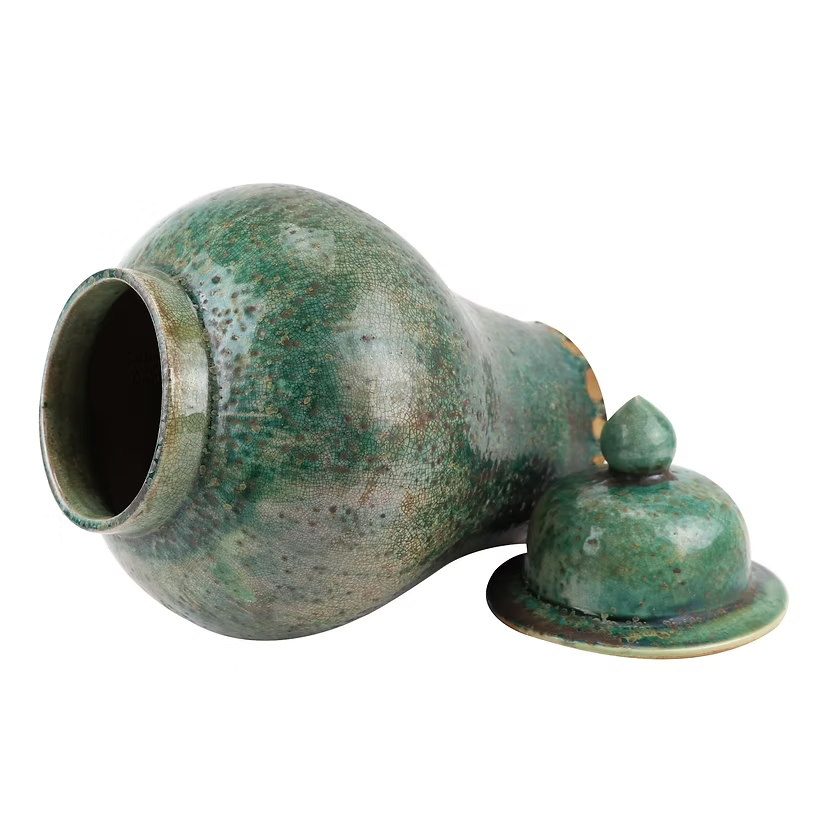
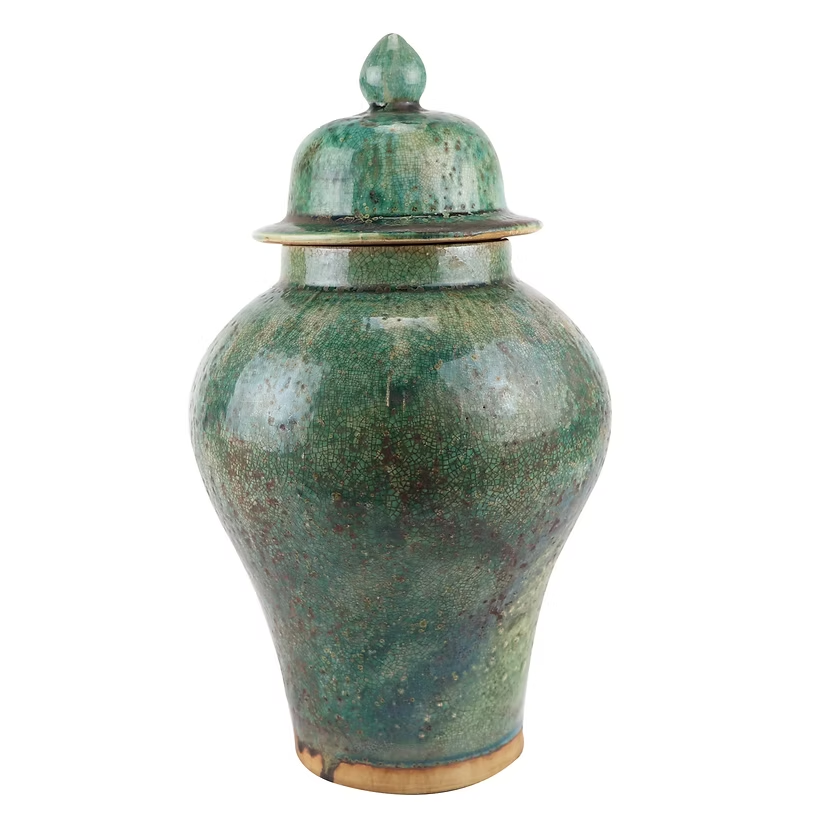
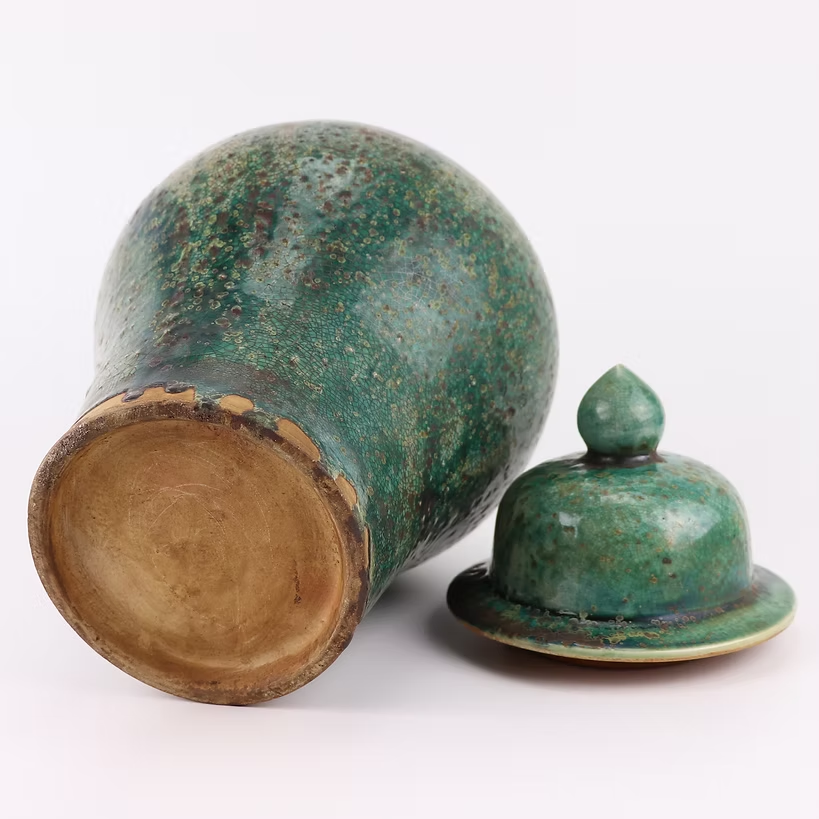
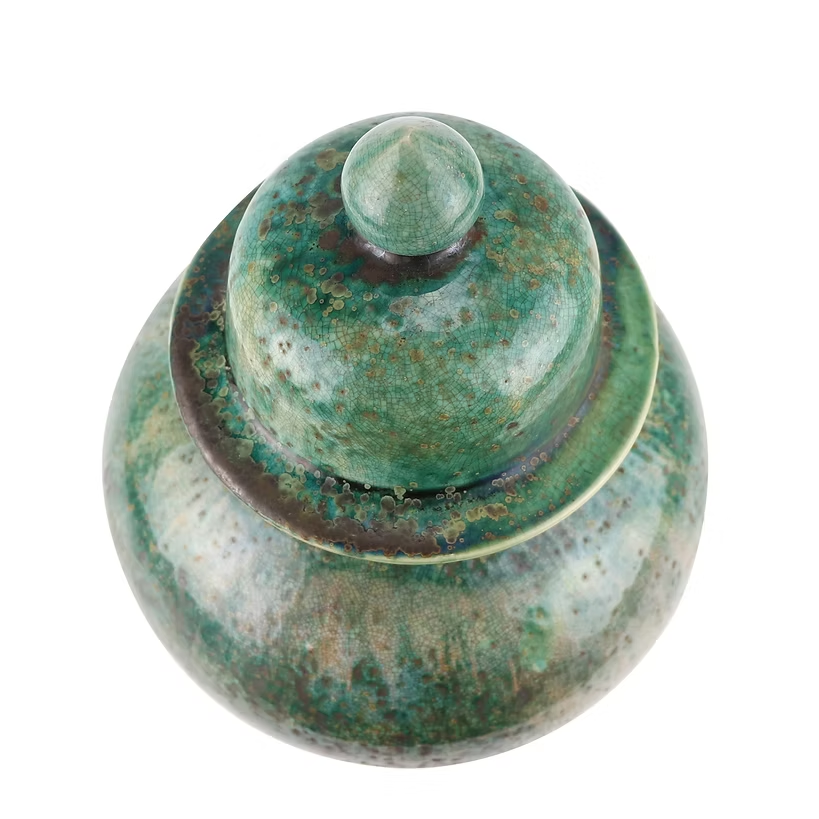
Chinese-inspired ceramic vessel with aged glaze effect, designed to evoke historical character and timeless decorative style.
Styling Modern “Antique-Look” Pieces in Dubai Homes
Dubai interiors often lean toward clean architectural design — marble, glass, steel, and neutral palettes. It is elegant, but sometimes emotionally distant.
This is where antique-style furniture plays a role.
A weathered-looking Chinese-style console against a minimalist wall immediately introduces warmth. A decorative porcelain vase with an aged finish breaks visual symmetry and adds depth.
But these pieces are not meant to match the space perfectly.
They are meant to interrupt it.
A single strong aged-looking piece can define a room more than an entire coordinated set of modern furniture.





Modern Chinese-inspired furniture styled in contemporary Dubai interiors, combining aged finishes with warm textures and design contrast.
Authenticity as a Design Choice
When clients ask what matters most — realism, finish, or design — the answer is always intention.
A well-designed piece that convincingly carries the impression of age can hold as much visual value as something genuinely old.
This is especially true in Chinese-inspired furniture in Dubai, where demand is shifting toward pieces with atmosphere rather than perfection.
What matters is not whether a piece is truly old or newly made to look old —
but whether it feels honest in its execution.
You can sense it immediately in a space: whether the aging feels forced or naturally integrated.


Close-up of Chinese-inspired wood craftsmanship featuring aged texture, carved detailing, and antique-style surface finishing.
Choosing the Right Piece
When someone is selecting a piece at Dao’s Den, I rarely guide them toward the most flawless option.
Instead, I ask how they plan to live with it.
Will it sit quietly in a corner, or anchor a room? Will it blend into a modern interior or act as a focal point? Is the goal harmony — or contrast?
In many cases, the most compelling pieces are the ones that carry the strongest sense of “age,” whether real or designed.
Aged Design in Contemporary Interiors
The green and blue console tables shown earlier are good examples of how modern furniture can be designed with an aged finish to soften contemporary spaces.
Slight tonal variation, textured surfaces, and softened edges introduce depth that brand-new high-gloss furniture often lacks.
Rather than appearing artificial, these details help bridge the gap between old-world aesthetics and modern interiors.


Designed Aging vs Over-Finished Pieces
The red cabinet demonstrates how a more refined, carefully finished piece can create a strong and polished visual statement. In formal or highly curated interiors, this level of clarity and precision works beautifully.
However, when the finish becomes too controlled or overly polished, it can lose the softer visual depth that gives a piece warmth and atmosphere. In more relaxed contemporary homes, excessive refinement can sometimes feel distant rather than inviting.
A good aged design should still feel human — not too perfect, not too artificial.

The Role of Texture and Imperfection in Design
The turquoise sideboard shows how intentional variation in tone, surface texture, and finish can create a more layered and approachable presence.
These kinds of visual variations help modern antique-inspired furniture integrate naturally into contemporary interiors, while still maintaining individuality and character.
What may initially appear as irregularity is often what gives the piece depth and realism within a modern space.

Why Visual “Imperfection” Feels More Authentic
Overly uniform finishes can sometimes feel flat or manufactured, while subtle variation in color, texture, and surface treatment introduces a sense of authenticity.
These design decisions are not flaws — they are intentional layers that make the piece feel more lived-in and visually interesting.
In modern interiors, it is often these softer, less perfect details that bring warmth and personality into the space.
Presence Over Perfection
At Dao’s Den, every piece is selected with this philosophy in mind — not perfection, but presence.
Each object is chosen for how it changes the atmosphere of a room, not just how it looks in isolation.
You can explore our current collection here: https://daosden.com/shop
To understand more about our approach and philosophy: https://daosden.com/ourstory
Final Thought
The idea of perfection belongs to mass production.
But in interiors — especially in modern Dubai homes — perfection is not always what people respond to emotionally.
Sometimes what feels slightly aged, textured, or imperfect is not history at all.
It is design — carefully created to evoke it.
And when done well, it changes the entire feeling of a room.
At Dao’s Den in Dubai, that is the kind of presence we look for — whether time created it, or design learned how to imitate it.

Next week, we’re exploring the art of scale — and why the size of a single piece can completely change the balance of a room.
Luxury interiors aren’t only defined by beautiful furniture, but by proportion, presence, and knowing when a piece should stand out… or quietly belong.
Stay tuned.
– Jeffrey 🙂
At Daos Den, we don’t just sell furniture.
👉 Visit our Dubai showroom to discover rare finds that carry the soul of China, reimagined for homes that value heritage, artistry, and timeless beauty.
📍 Showroom viewings by appointment
📲 DM us on Instagram @daosdenfurniture


Comments