.png)
From Order to Arrival: How Your Piece Is Crafted, Shipped, and Delivered
- Dao's Den

- May 16
- 7 min read


Most clients who walk into our showroom in Dubai ask the same question at some point:
“How long will this take to arrive?”
It usually comes after they’ve spent an hour moving between cabinets, porcelain jars, altar tables, and antique screens — imagining where each piece could live in their home.
Some are furnishing a new villa in Emirates Hills. Others are redesigning a quiet apartment downtown and want one statement piece that doesn’t feel mass-produced.
Either way, the concern is understandable. When you’re investing in authentic Chinese furniture or custom-made decor, you want clarity on the process.
At Dao’s Den, I’ve noticed that people are far more comfortable making decisions once they understand how the journey actually works — from the moment a piece is selected to the day it’s placed inside the home.
The process is not rushed, and it shouldn’t be. Good furniture rarely is.

It Usually Starts With One Piece
Most people don’t come in planning to redesign an entire room. They start with one item that catches their attention — a Qing-style console, a porcelain garden stool, or a hand-finished cabinet.
Then the practical questions begin.
Will this fit the wall properly?
Is the lacquer too dark for the room?
Will it work in a modern Dubai interior?
Can this be customised?
These are the right questions to ask early.


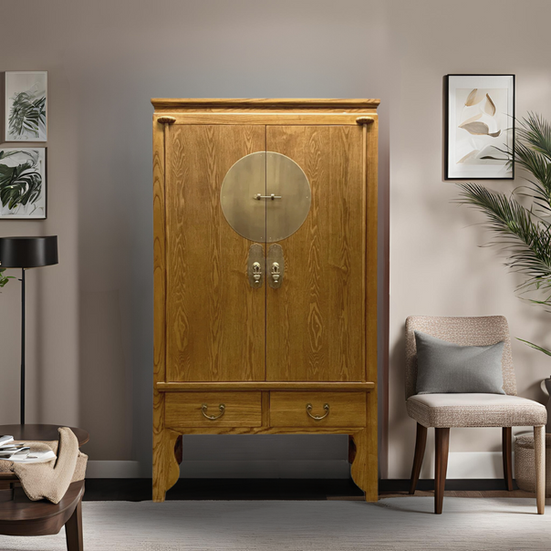


Handcrafted Chinese furniture and decorative cabinets styled in refined interiors, showcasing timeless Asian-inspired home decor.
With Chinese furniture in Dubai, scale is one of the biggest mistakes I see people make.
Dubai homes tend to have high ceilings and generous layouts, but that doesn’t mean every large antique cabinet belongs in the space. Sometimes a lower sideboard with clean lines creates a much calmer result than an oversized carved piece competing with everything else in the room.
This is why design confirmation matters before anything moves into production or shipping.
At Dao’s Den, we spend time refining details before orders are finalised. Sometimes it’s adjusting dimensions slightly for an entrance hallway. Other times it’s selecting a softer wood finish because the client’s flooring already carries warmth.
The goal is not simply to “match decor.” It’s to make sure the piece feels settled in the room long term.
You can explore our collection here:
Choosing Between Antique and Custom
This is another decision clients often struggle with.
Authentic antique furniture has character you cannot reproduce perfectly. The patina, small imperfections, aged brass, worn lacquer — these details give a piece presence. For many clients looking for antique furniture in the UAE, that authenticity is the reason they come to us in the first place.
But custom furniture solves practical challenges.
I see this often with dining tables.
A client loves the style of a traditional Chinese table but needs specific proportions for their space. Or they want a finish that works better with contemporary interiors in Dubai, where lighter stone floors and minimal palettes are common.
In those situations, customisation makes sense.
The important thing is knowing when to customise and when to leave a design alone.
Over-customising Chinese furniture can strip away what made it beautiful to begin with.
A refined silhouette, balanced proportions, and handcrafted details are usually more important than adding excessive ornament or changing every finish.
Most of the strongest interiors mix restraint with one or two meaningful statement pieces.

Manufacturing Is Slower Than People Expect
And honestly, that’s usually a good sign.
Once a design is confirmed, the manufacturing stage begins if the piece is being custom made or adapted. Depending on the complexity, this can take several weeks.
Clients accustomed to fast retail timelines are sometimes surprised by this. But handcrafted furniture is very different from factory-produced inventory.
Wood selection matters. Joinery matters. Lacquer curing times matter.
For example, with custom Chinese decor or furniture, achieving the right finish often takes patience. Purple lacquer or layered hand-painted finishes cannot be rushed without compromising durability. The same applies to hand-painted porcelain pieces.
This is especially important in the UAE climate. Dubai’s heat and air conditioning cycles can expose weaknesses in poorly made furniture very quickly. Quality construction becomes obvious after a year or two — drawers still aligning properly, lacquer remaining stable, wood not warping.
I always tell clients that waiting a little longer for proper craftsmanship usually prevents disappointment later.
If you’ve ever imagined bringing your ideas to life, now is the perfect time to make it happen. From creative concepts to stunning final results, transforming imagination into reality is easier than ever — just like the images below.

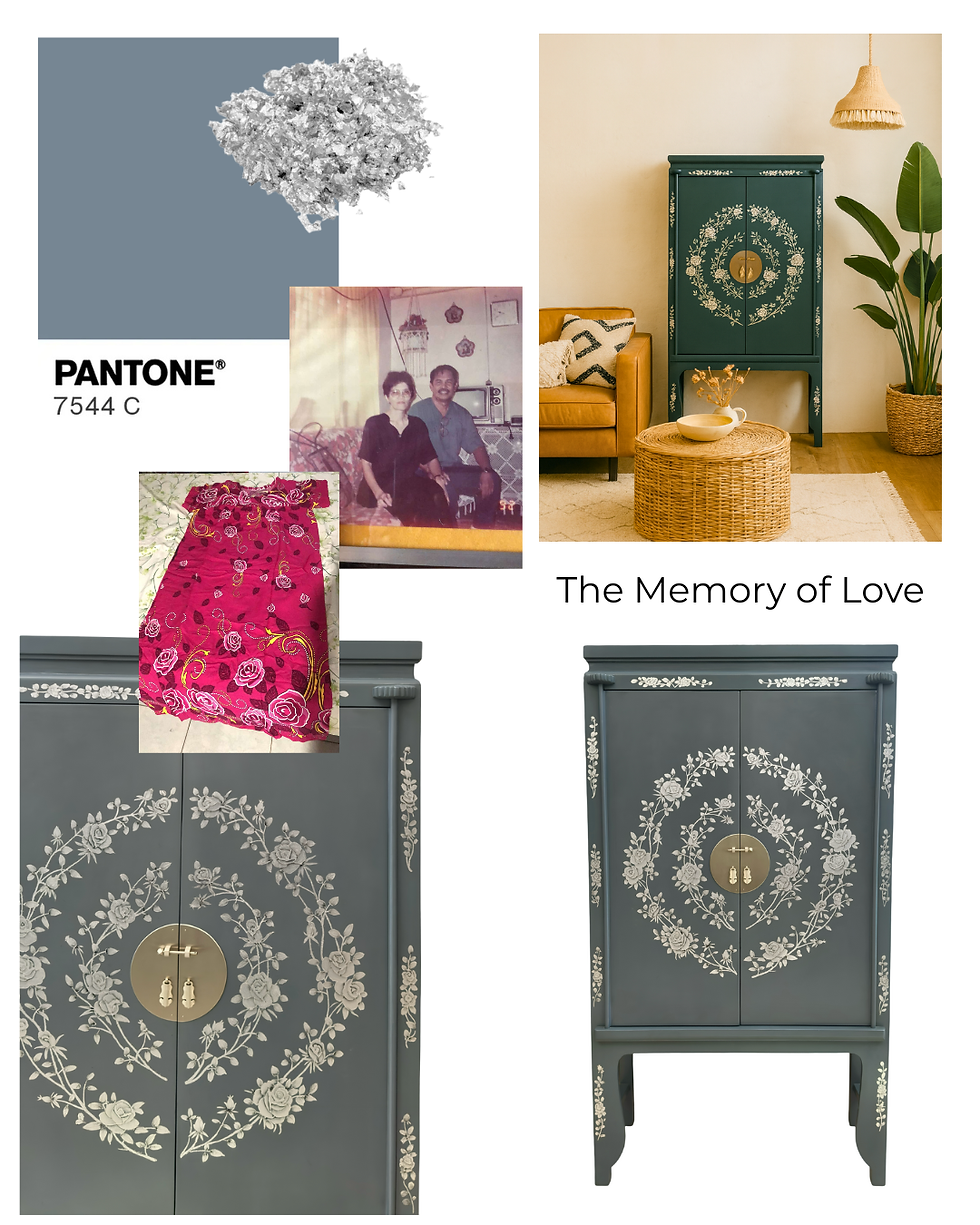
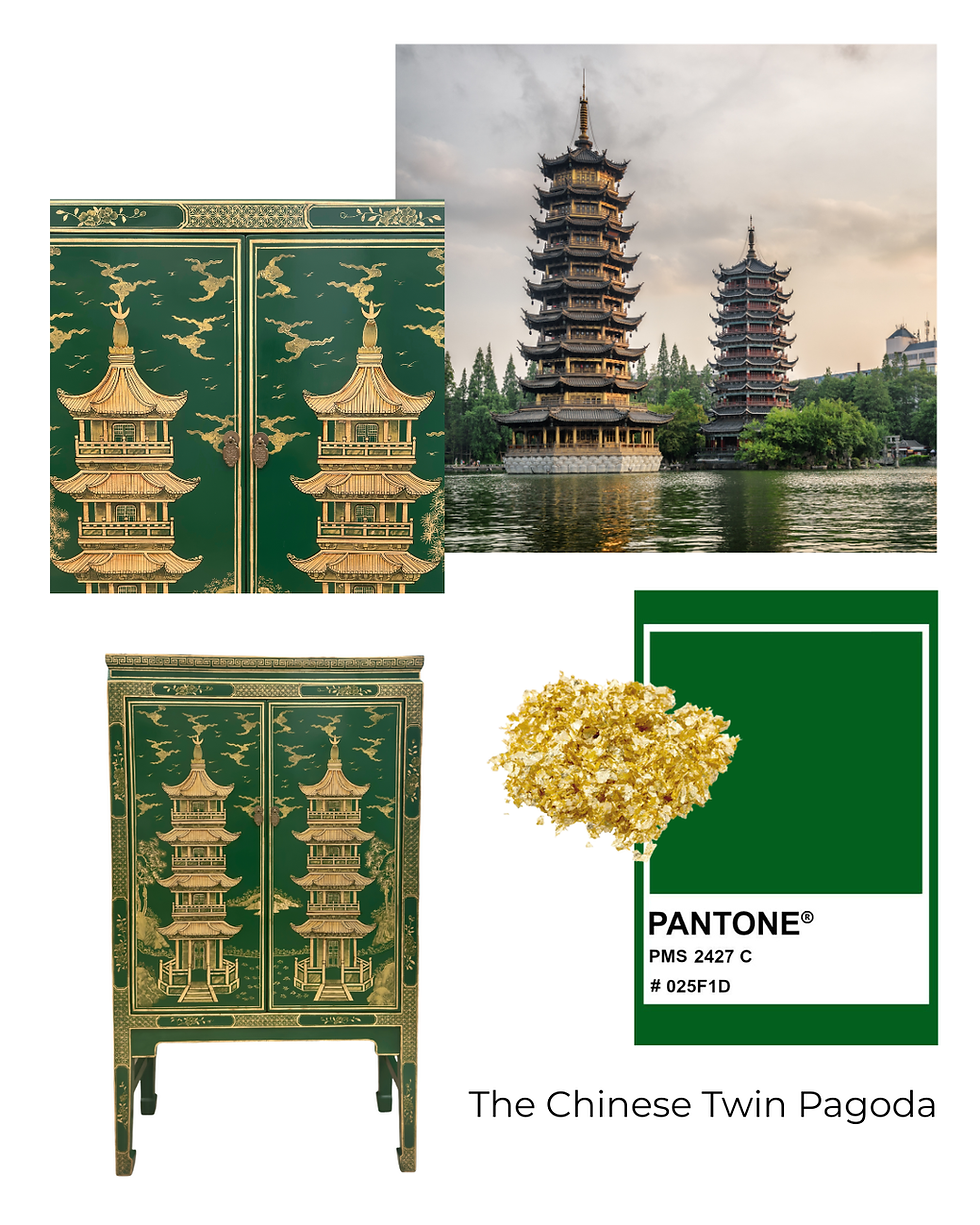




Elegant home interiors showcasing handcrafted Chinese cabinets used as statement furniture pieces in luxury residential spaces.
Shipping Requires Planning, Not Guesswork
Shipping is the stage clients tend to worry about most, especially when ordering larger pieces or fragile porcelain.
In reality, the process is usually very straightforward when managed properly.
Furniture and porcelain are carefully packed based on material and size. Antique cabinets, for example, require different protection than porcelain vases or folding screens. Proper crating and handling matter far more than simply “shipping fast.”
Most clients are also surprised by how important timing becomes once pieces arrive in Dubai.

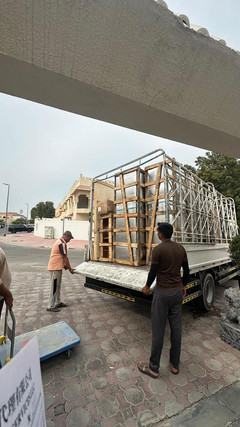

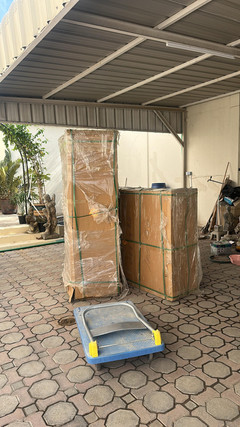



Furniture shipping and logistics process for imported Chinese furniture in Dubai


Shipping, handling, and logistics involved in safely transporting handcrafted Chinese furniture to homes in Dubai and the UAE.
If you’re furnishing a new property, delivery coordination needs to happen around contractor schedules, elevator access, building management approvals, and final styling stages. Delivering too early can actually create problems — especially during ongoing renovations where dust, paint, and construction traffic are still present.
I’ve seen beautiful lacquer finishes damaged because furniture arrived before construction was truly finished.
Now we advise clients to think carefully about timing before shipment even leaves origin.
The Final Placement Matters More Than People Think
This is the stage people underestimate most.
A piece can be beautiful on its own and still feel wrong in a room because of placement.
For example, many clients instinctively push Chinese cabinets flat against the largest empty wall available. Sometimes that works. But often these pieces feel stronger when given breathing room — near an entryway, beside textured walls, or paired with softer contemporary furniture.


Examples of custom finishes and handcrafted Chinese cabinets designed for personalized interior spaces.
Traditional Chinese furniture has visual weight. It does not need overcrowding.
The same applies to porcelain.
With Chinese porcelain in Dubai homes, I usually recommend restraint. One large blue-and-white jar placed properly often has more impact than five smaller decorative accessories spread across shelves.
Lighting also changes everything.

Dubai interiors tend to receive strong natural sunlight during the day, which affects how lacquer, wood tones, and porcelain glazes appear. A cabinet that looks dark in a showroom may become much warmer near natural light at home.
This is why placement discussions happen before delivery whenever possible.
Why Clients Return for Additional Pieces
Interestingly, the second purchase is usually much easier than the first.
Once clients experience the process — selecting, refining, waiting, receiving, and finally living with the piece — they understand the difference between buying meaningful furniture and simply filling a room.
Many come back later looking for complementary items: a console for the hallway, or a pair of antique bedside cabinets.

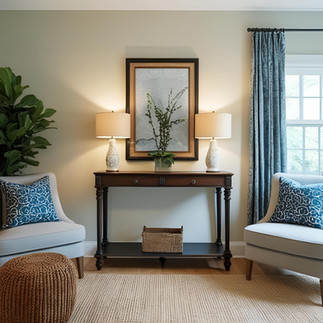




Luxury residential interiors styled with authentic Chinese furniture and carefully selected statement pieces.
Not because they suddenly want “more decor,” but because the home begins to feel more layered and personal over time.
That’s the advantage of authentic Oriental furniture in Dubai when chosen carefully. It doesn’t rely on trends. It settles naturally into daily life.
The Process Should Feel Considered
The best interiors are rarely completed overnight.
A well-made antique cabinet, porcelain vessel, or handcrafted table carries a different kind of value because it was chosen carefully and built with intention. Clients feel that difference the moment the piece becomes part of their home.
At Dao’s Den, the process is intentionally thoughtful — from design confirmation to production, shipping, and final placement. Not complicated. Not overly formal. Simply considered.
In my experience, a slower and more deliberate approach almost always leads to better spaces.
You can also explore our article on customization, preparation, and why taking time with the process truly matters rather than rushing it.
If you’re exploring Chinese decor, antique furniture, or custom furniture in Dubai, visit the showroom or browse the collection online. Sometimes the right piece becomes obvious the moment you see it in person.
Authenticity Over Replication
At Daosden, every piece — from antique Chinese furniture to porcelain and decorative objects — is selected for its authenticity, craftsmanship, and story. We choose to present real pieces, photographed as they are, because living art should feel lived with — textured by age, shaped by hand, and unmistakably individual.
Chinese antique furniture and decorative arts endure because they were never designed to be temporary. They were built to last, to age, and to continue telling stories long after their makers were gone.
That is what makes them living art forms.
If you've ever found yourself hesitating over a piece because it's not quite right, that's the starting point. Instead of walking away, consider what would make it work perfectly.
Explore current pieces and possibilities at daosden.com/shop

Next week, we’re looking at one of the most common questions in modern interiors—how do you bring Chinese antiques into contemporary spaces without disrupting the balance?
It’s not about matching styles. It’s about contrast, proportion, and knowing when a piece should stand out… and when it should simply belong.
Stay tuned.
– Jeffrey 🙂
At Daos Den, we don’t just sell furniture.
👉 Visit our Dubai showroom to discover rare finds that carry the soul of China, reimagined for homes that value heritage, artistry, and timeless beauty.
📍 Showroom viewings by appointment
📲 DM us on Instagram @daosdenfurniture


Comments