.png)
Tibetan Art Explained: Mirrors, Benches, and Sacred Furniture
- Dao's Den
- Mar 8
- 5 min read
Updated: May 4


Tibetan art is more than decoration—it is devotion carved in wood, painted in mineral pigments, and preserved through centuries of spiritual tradition. From intricately framed mirrors to hand-painted benches and altar cabinets, Tibetan furniture tells stories of protection, enlightenment, and sacred symbolism.
At Daos Den, based in Dubai, we often meet collectors who are drawn to Tibetan pieces for their bold colors and intricate motifs—only to discover that every detail carries deeper spiritual meaning.
In this guide, we explore Tibetan mirrors, benches, and sacred furniture, breaking down their symbolism and explaining how these pieces function as both art and purposeful design.

Understanding Tibetan Art and Its Spiritual Roots
Tibetan decorative art developed under the influence of Vajrayana Buddhism, blending Indian Buddhist iconography with Himalayan folk traditions. Furniture was not merely functional—it was integrated into religious life.
Sacred furniture often appeared in:
Monasteries
Meditation rooms
Home altars
Ritual spaces
Unlike purely decorative antiques, Tibetan pieces were made to serve spiritual practice while embodying protective and auspicious imagery.
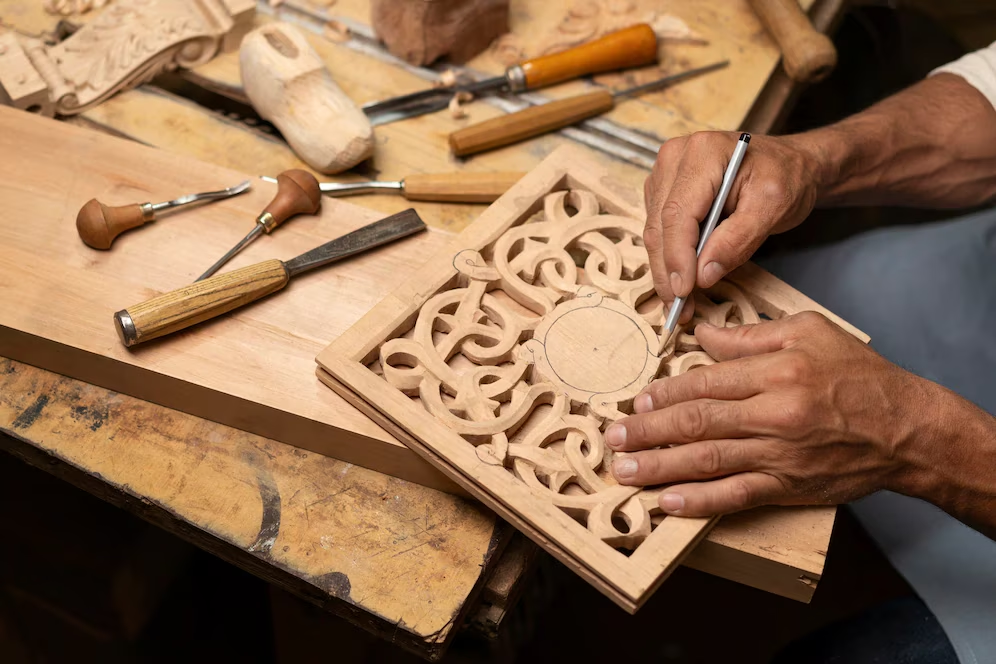


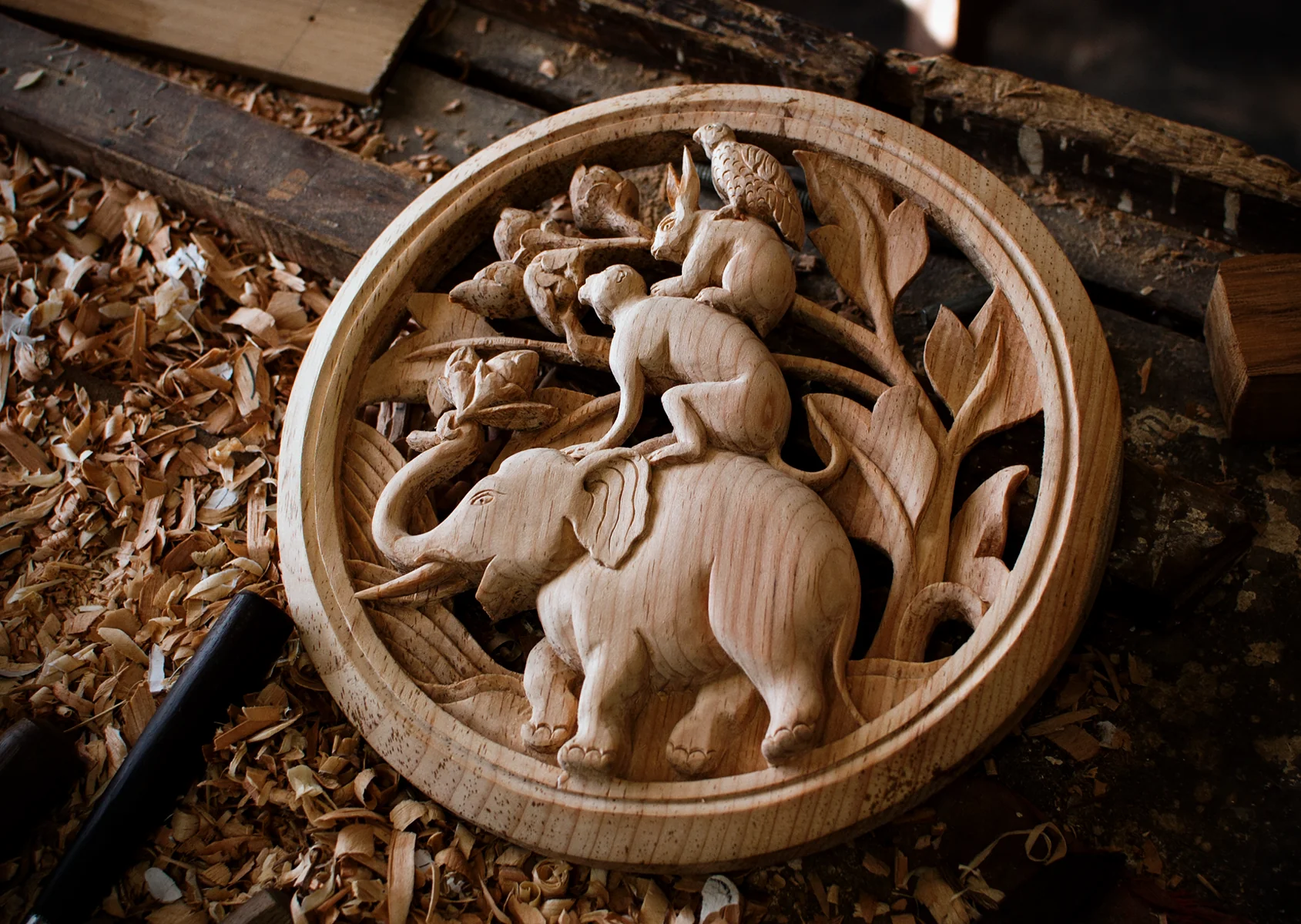
Traditional Tibetan decorative motifs featuring symbolic patterns and hand-painted craftsmanship.
Tibetan Mirrors: More Than Reflection
One of the most fascinating pieces in Tibetan decorative art is the ritual mirror.
Symbolism of Tibetan Mirrors
Traditionally, mirrors in Tibetan culture symbolize:
Clarity of mind
Wisdom
The removal of illusion
Protection against negative energy
Many antique Tibetan mirrors feature:
Carved wooden frames
Hand-painted floral motifs
Symbols such as lotus flowers or endless knots
Iron or brass detailing

In some cases, mirrors were believed to deflect harmful spirits and restore energetic balance within a space.
Styling Tibetan Mirrors in Modern Dubai Interiors
In contemporary Dubai homes, Tibetan mirrors work beautifully as:
Statement wall art
Entryway focal points
Meditation room accents
Layered décor in eclectic interiors

Because they combine spiritual symbolism with artistic craftsmanship, they bridge traditional Himalayan culture and modern Middle Eastern design aesthetics seamlessly.
Motifs Featured on This Tibetan Bench
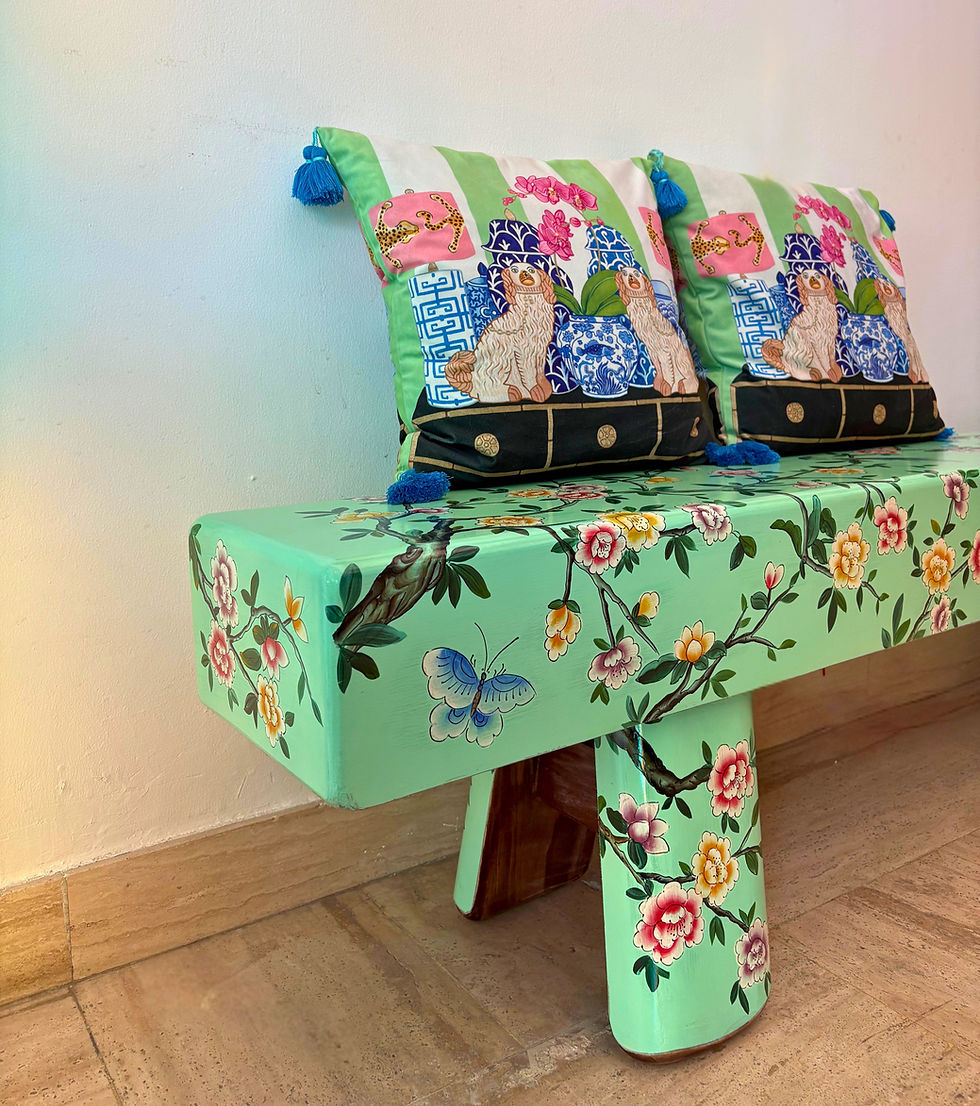
This Tibetan bench features vibrant hand-painted artwork that reflects traditional Himalayan decorative symbolism. The central panel prominently displays two stylized fish facing one another, surrounded by lotus flowers and framed by colorful geometric borders.
Key Motifs Visible on the Bench
Paired Fish – The two fish facing each other represent the “Double Fish,” one of the Eight Auspicious Symbols in Buddhism. This symbol signifies happiness, abundance, and spiritual freedom, much like fish that move freely through water.
Lotus Flowers – Positioned above the fish, the lotus flowers symbolize purity and enlightenment, representing the idea of rising above worldly suffering.
Floral Decorations – The surrounding flowers and plants reflect nature, prosperity, and harmony, common themes in Tibetan decorative furniture.
Traditional Geometric Borders – The colorful patterns along the sides and edges frame the central imagery and are typical of Tibetan painted furniture design.
Vibrant Himalayan Colors – The rich reds, blues, greens, and gold tones highlight the lively style of Tibetan craftsmanship and traditional pigment painting.
Together, these elements transform the bench into both a functional piece of furniture and a symbolic work of Tibetan art.


Functional Art
While deeply symbolic, Tibetan benches were highly practical. They were used for:
Seating during prayer
Low dining
Storage (in some trunk-style forms)
Supporting altar objects
Today, collectors in Dubai use Tibetan benches as:
Coffee tables
Console seating
End-of-bed benches
Decorative accents in majlis-style interiors
Their aged patina and bold pigments contrast beautifully with minimalist or contemporary spaces.

Sacred Cabinets and Altar Furniture
Perhaps the most spiritually significant Tibetan furniture pieces are altar cabinets and shrine tables.
These were designed to hold:
Prayer books
Ritual objects
Offering bowls
Butter lamps
Statues of Buddhas and Bodhisattvas
Cabinets were often painted in deep reds, blues, and golds—colors symbolizing protection, wisdom, and divine energy.

Key Characteristics of Authentic Tibetan Sacred Furniture
When evaluating antique Tibetan pieces, look for:
Natural mineral pigments
Hand-carved joinery (rather than modern nails)
Wear consistent with devotional use
Layered paint from ritual repainting
Iron hardware with hand-forged irregularities
Authentic pieces carry a presence that reproductions simply cannot replicate.

Why Tibetan Furniture Appeals to Modern Collectors
Collectors in Dubai and across the UAE are increasingly drawn to Tibetan art for several reasons:
1. Spiritual Meaning
These pieces offer more than aesthetics—they bring symbolism and intention into the home.
2. Investment Value
Authentic Tibetan antiques are becoming rarer, particularly monastery-origin pieces.
3. Cultural Depth
In a global city like Dubai, homes often reflect diverse cultural influences. Tibetan furniture adds Himalayan heritage into curated interiors.
4. Bold Design
The rich reds, turquoise blues, and gold accents work beautifully in both traditional and contemporary settings.


A collection of antique Tibetan furniture including benches, cabinets, and decorative panels.

Preserving Tibetan Antiques in the UAE Climate
Dubai’s climate requires special care for antique wooden furniture:
Avoid direct sunlight
Maintain stable indoor humidity
Use gentle, non-chemical cleaning methods
Avoid over-restoration that removes original paint
Proper care ensures these sacred works remain preserved for generations.
Discover Authentic Tibetan Art in Dubai
Tibetan mirrors, benches, and sacred cabinets are more than antique furniture—they are living expressions of Himalayan spirituality and craftsmanship.
For collectors in Dubai seeking authentic Tibetan antiques, sourcing from a trusted specialist is essential. At Daos Den, we curate original Tibetan and Asian antique furniture, porcelain, and decorative art with a focus on authenticity and heritage.
Whether you are building a spiritual corner, investing in rare Asian antiques, or adding depth to a contemporary interior, Tibetan sacred furniture offers timeless character and meaning.

Authenticity Over Replication
At Daosden, every piece — from antique Chinese furniture to porcelain and decorative objects — is selected for its authenticity, craftsmanship, and story. Some of the images used here are taken from our own showroom in Dubai and represent just a portion of our wider antique collection.
We choose to present real pieces, photographed as they are, because living art should feel lived with — textured by age, shaped by hand, and unmistakably individual.
Chinese antique furniture, porcelain, and decorative arts endure because they were never designed to be temporary. They were built to last, to age, and to continue telling stories long after their makers were gone.
That is what makes them living art forms.

Next week, we’ll shift our focus to another fascinating collectible—vintage porcelain. These delicate pieces may look similar at first glance, but collectors know that every plate, vase, and bowl carries its own subtle differences.
Why is it that no two porcelain pieces are ever exactly the same? We’ll be exploring this intriguing question in our next post.
Stay tuned!
– Jeffrey 🙂
At Daos Den, we don’t just sell furniture.
👉 Visit our Dubai showroom to discover rare finds that carry the soul of China, reimagined for homes that value heritage, artistry, and timeless beauty.
📍 Showroom viewings by appointment
📲 DM us on Instagram @daosdenfurniture


Comments